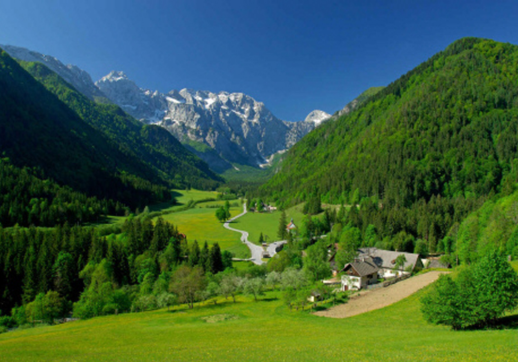
Mountains not just represent the essence of power; they are the ultimate source of peace. It is the place where silence gets broken by the sound of wind to trigger tranquility. Apart from its aesthetic wonder, there is a science behind feeling refreshed on traveling to mountains. Certainly, traveling improves mental health as people experience monotonous atmosphere by working in hectic schedules. The relentless noise of urban lifestyle has been the reason behind excessive tiredness. This enables people to yearn for peace and calm atmosphere.
Traveling to the mountains is intended to create a profound connection between human and the nature. In fact, taking a break from the raucous city life and traveling to a serene hill station will help in regaining energy. Even the researches have stated that traveling through the mountains will encourage stress reduction and mental resilience. The exotic greenery at the hill stations and the pollution-free air creates a healthier environment to live in. This is the ideal reason that people enjoy visiting hill stations more than any other regions.
Science Behind Nature and Mental Well-Being
The science behind the nature reveals a strong connection between mental health and a holiday in the mountains. In fact, scientific researches have consistently demonstrated that spending time in natural environments reduces stress hormones, lowers blood pressure, and improves overall mood. These days, urban environments tend to overstimulate the nervous system, draining mental energy over time. Mountains, with their exotic landscapes, cleanest air, and inherent distance from city life, is a brilliant form of natural therapy.
Certainly, traveling to the mountains decreases rumination (pattern of negative thoughts) and stimulate cognitive restoration. Besides this, traveling to different altitudes triggers physiological and neurological transformations. Apart from strengthening muscles, the process affects your mood in a positive manner by increasing serotonin production. It is a specialized neurotransmitter linked to happiness and emotional stability. This chemical shift in the brain keeps people clear-headed and emotionally elevated in the mountainous regions. Indeed, the emerald green valleys appear soothing to the eyes, generating happiness.
Healing Power of Silence and Solitude
Modern life is extraordinarily loud where constant pressure to perform is dragging people towards depressive mood. In the wake of handling social obligations, people are sacrificing their mental health. This requires people to escape to the hilly areas for experiencing solitude. Even the psychologists have referred to a vacation in mountains as restorative experience. It is meant to reduce your mental fatigue and allow your mind to relax. The vastness of the landscape also encourages a sense of perspective that is difficult to achieve in everyday life. Problems that feel enormous in an office or apartment often begin to feel remarkably manageable when viewed from a mountain ridge.
Benefits of Traveling for Mental Health
Mental health professionals increasingly recognize the value of nature-based interventions alongside traditional therapy and medication. Some practitioners have even begun formally prescribing people to spend time in nature as “ecotherapy”. This has shown considerable results in patients dealing with depression, anxiety, burnout, and stress-related disorders. Indeed, traveling to the mountains is the perfect getaway to pamper your senses with a tranquil and serene atmosphere.
Reduced Anxiety:
Traveling to mountains involves physical activities like hiking, trekking, climbing, or even walking along elevated trails. This is enormously beneficial for mental health because such exercises amidst a tranquil atmosphere lower depression and anxiety. In fact, the physical activity reduces cortisol (stress hormone) that promotes the growth of new brain cells for emotional regulation. Mountain hiking combines the cognitive benefits of exercise with the restorative effects of nature. The studies have proved that outdoor exercises or activities report that traveling improves mental health. When that outdoor environment is a mountain area, the effect gets amplified further.
Mindfulness:
Practicing mindfulness is one of the most recommended tools in modern mental health care. Apps, courses, and therapists prescribe it widely, and for good reason. Mountains make mindfulness almost effortless. When you are navigating a rocky trail, the mind is active in identifying the right way, requiring attention. The sensory experiences, such as the sound of a waterfall, the surface of the stone, the cool breeze waiving, the greenery soothing your eyes, or the beauty of snow-capped peaks, dissolve mental time-travel. While practicing this mindfulness, your mind forgets past issues for some time and starts feeling calm.
Cultural Connection:
Traveling to mountains will bring you closer to different cultures as you get to meet new people. Shared effort, shared discomfort, and shared triumph create a depth of connection that casual social interaction rarely achieves. For many travelers, mountain journeys become the setting for some of their most meaningful experiences. For those who travel alone, mountains offer a different but equally valuable social opportunity. Certainly, a journey to the hills has a lot of life-changing experiences waiting for the travelers.
In the wake of maintaining urban stress and a fast-paced lifestyle, people are feeling more depressed than ever. It is the increasing competition and willingness to excel in life that have made people feel exhausted. The problem arises when people are not able to perform as per their expectations, resulting in a frustrated mindset. This necessitates spending some time in the lap of nature where the city’s hustle and bustle will not bother you. So, pack your bags and head to a hill station, as its pristine beauty is waiting to refresh your mind. After all, traveling improves mental health as mountains are the perfect place to experience quietude at its best.